Most people have heard they need an emergency fund, but the real question is how much should actually be in it. A flat number like $1,000 may help with small surprises, but it may not be enough to protect against income loss, medical bills, home repairs, or a major financial disruption.
At Berger Financial Group, we view emergency savings as a foundational part of financial planning. It protects your cash flow, helps reduce reliance on debt, and gives the rest of your plan more room to work when life does not follow the expected path.
Why an Emergency Fund Is Foundational to Financial Planning
An emergency fund is money set aside for unexpected financial hardship, not everyday spending. It is designed to help cover income loss, urgent repairs, medical costs, or other expenses that cannot always be planned in advance.
According to the Federal Reserve’s 2024 Survey of Household Economics and Decisionmaking, 55% of adults had set aside enough money to cover three months of expenses, while 30% said they could not cover three months of expenses by any means
What an Emergency Fund Protects Against
Emergency savings provide a buffer against financial shocks that disrupt cash flow, such as job loss, reduced income, car repairs, medical bills, urgent home expenses, or family emergencies. The objective is not to foresee every possible expense but to establish a financial cushion that prevents unexpected costs from turning into debt problems.
Why It Helps Prevent Debt
When deciding between investing and paying off debt, insufficient upfront savings can lead to unexpected credit card or loan charges, complicating recovery due to added repayment burdens. A dedicated emergency fund provides a cleaner solution: it lets you use cash upfront, safeguard your long-term accounts, and rebuild the fund once the situation is resolved.
How Much Should Your Emergency Fund Be?
A common recommendation for an emergency fund is to save three to six months of essential expenses, not income. To determine how to allocate your paycheck appropriately, consider what it costs to keep your household running in case of reduced income or unexpected expenses. Three months is a baseline for many households, while six months or more may be prudent for those with unstable income, dependents, or higher fixed costs.
Start With Three Months of Expenses
Three months of essential expenses can provide a cushion during financial disruptions. This should cover non-negotiable costs like housing, utilities, groceries, insurance, transportation, healthcare, and minimum debt payments. This baseline is not intended for all lifestyle expenses, but rather to safeguard the essentials while you adjust or make longer-term decisions.
Build Toward Six Months When Risk Is Higher
A larger emergency fund is advisable if your financial situation is uncertain. Single-income households, families with dependents, business owners, commission-based earners, and those with variable income may require more cash. A six-month fund can provide breathing room during prolonged job searches or when cutting expenses is difficult. Your target should reflect actual risk rather than a generic guideline, serving as a foundational step when building a financial plan.
How Income Stability Changes the Recommendation
Income stability is crucial in determining the size of an emergency fund. A predictable paycheck may allow for a smaller reserve, while variable income necessitates a larger cushion. Additionally, households with fixed obligations, dependents, or limited backup income may need to save more than those with flexible expenses and multiple income sources.
Stable Income May Support a Smaller Target
Someone with a steady income, low debt, and reliable benefits might start with three months of expenses for emergency savings. While the risk of income interruption is lower with manageable costs, emergency funds remain crucial for unexpected expenses, such as medical bills or repairs, and for navigating a job change.
Variable Income May Require More Cash
Business owners, contractors, commission-based professionals, and seasonal earners often require larger emergency funds due to fluctuating incomes. A bigger cash reserve can alleviate pressure during slower periods and protect investments from being accessed during temporary income gaps.
Emergency Fund Targets by Life Stage
The right emergency fund changes as your life changes. A young professional, a family with children, and a retiree may all need different savings targets because their risks and obligations are different.
- Young professionals (20s-30s): A three-month cushion often works if income is stable and fixed obligations are limited. This stage is also when starting the fund early creates compounding benefits; the habit matters as much as the size.
- Working families (30s-50s): During peak working years, emergency funds are often needed to protect households with a mortgage, children, childcare costs, or a single income. Six months or more may be appropriate.
- Pre-retirement (50s-60s): As retirement approaches, cash reserves protect against sequence-of-returns risk, the danger of drawing from investments during a market downturn early in retirement. A larger reserve gives portfolios time to recover, which is crucial for executing early retirement strategies.
- Retirement: The fund may shift from replacing income to covering large unplanned expenses. Some retirees may be comfortable with three months of expenses, while others may need more based on healthcare costs, housing, and portfolio structure.
Life stage does not replace the three-to-six-month rule. It helps refine the number so your cash reserve fits your real situation.
Where Should You Keep Your Emergency Fund?
An emergency fund should be liquid, accessible, and low risk. The goal is not to chase the highest return. The goal is to keep the money ready when you need it.
Good places to keep an emergency fund include:
- High-yield savings account: Often a strong option because it keeps cash accessible while offering meaningfully higher earning potential than a basic checking or traditional savings account — high-yield accounts currently offer yields around 4% or more, compared to national average savings rates near 0.5%.
- Traditional savings account: A simple choice if you want easy access through your current bank or credit union.
- Money market account: May offer check-writing or debit access while still keeping funds separate from daily spending.
- Separate account from checking: Helps reduce the temptation to spend emergency money on non-emergencies.
Avoid keeping emergency funds in investments that can lose value or accounts that are hard to access quickly. This money should be safe, available, and separate from everyday spending.
How to Calculate Your Emergency Fund Number
To calculate your emergency fund, start with essential monthly expenses. Do not use gross income. Use the amount required to keep your household stable during a disruption.
Include these essentials:
- Rent or mortgage payments
- Utilities
- Groceries
- Insurance premiums
- Transportation costs
- Healthcare expenses
- Minimum debt payments
- Childcare or dependent expenses
- Necessary phone or internet costs
- Other required household obligations
Once you have the monthly total, multiply it by three for a baseline target and by six for a stronger cushion. This gives you a realistic range instead of a random savings goal.
Match Your Emergency Fund to Your Full Financial Plan
An emergency fund influences your investing, debt repayment strategies, and risk tolerance. Strong cash reserves help protect long-term plans from disruptions caused by unexpected expenses, making them a critical component of foundational financial choices in your 20s.
Without a cushion, even a normal market decline or unexpected bill can feel more stressful. With emergency savings in place, investment and financial retirement planning decisions can stay focused on long-term goals. Financial planning helps set the right target. The right target should reflect your income, expenses, dependents, debt, retirement stage, and risk tolerance.
Build a Cash Reserve That Protects Your Plan
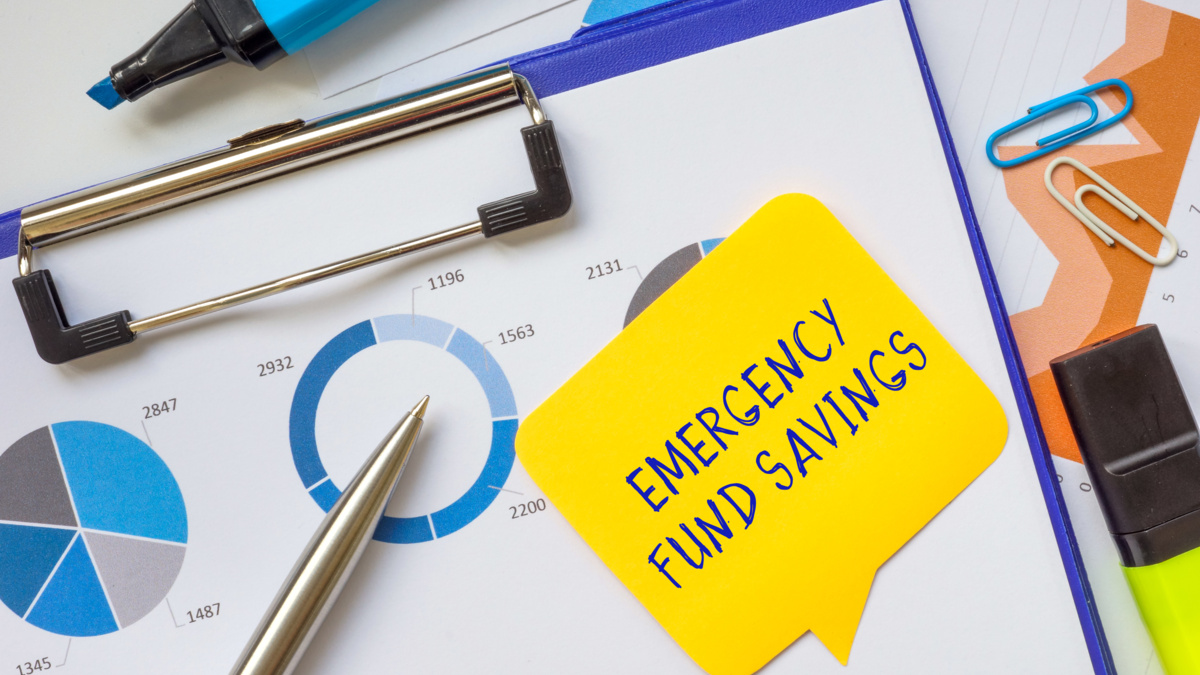
An emergency fund is not idle money. It is protection for your financial plan, giving you a first line of defense against surprise expenses, income changes, and avoidable debt.
For more than 42 years, Berger Financial Group has helped Twin Cities clients build financial plans grounded in their real circumstances rather than one-size-fits-all rules. As an employee-owned (ESOP) firm based in Plymouth, Minnesota, we bring six CPAs in-house alongside CFP-certified advisors, a structure that lets us align cash reserves with tax planning, retirement contributions, and investment decisions as one coordinated strategy. Contact Berger Financial Group today to build an emergency fund plan around your expenses, income stability, life stage, and long-term goals.